


Stamford's housing market includes a range of properties, from downtown condos and townhomes to older houses and larger suburban homes. Buyers may have different priorities depending on the neighborhood, property type, and their long-term plans. For example, North Stamford offers a different residential setting from the downtown area, and condos, townhomes, and single-family houses can each follow different price trajectories. These differences can influence what buyers look for when comparing properties and deciding which homes are worth viewing.
Before listing your property, consider how its features compare with other homes that appeal to similar buyers. A well-maintained exterior, clean interior, functional layout, and good lighting can help create a positive first impression. You should also address minor repairs, remove unnecessary clutter, and make the most of the available space. The goal is to present your home in a way that allows prospective buyers to appreciate its condition and potential.
The right preparation strategy ultimately depends on your property's condition, likely buyer, and budget. Rather than investing in every possible improvement, focus on updates that make the home more appealing and easier to show. Here's how to approach the process step by step.
1. Start With a Pre-Listing Home Checklist
Before buying supplies or scheduling contractors, walk through your home as if you were seeing it for the first time. Look beyond the furniture and personal memories. Pay attention to anything that might make a buyer pause, raise a question, or struggle to picture living there.
A practical pre-listing home checklist should cover:
- Condition: Look for visible damage, loose handles, cracked tiles, peeling paint, and other small issues.
- Cleanliness: Check kitchens, bathrooms, floors, windows, baseboards, and areas that are often overlooked.
- Space: Identify furniture or belongings that make rooms feel smaller than they are.
- Lighting: Replace burnt-out bulbs and open curtains to bring in natural light.
- Exterior: Check the entryway, landscaping, walkways, and front door.
- Maintenance: Note any plumbing drips, running toilets, sticking doors, or other functional problems.
Make a list and separate tasks into three groups: essential repairs, affordable improvements, and optional upgrades. This helps prevent spending money on cosmetic changes while more important issues remain unresolved.
If possible, ask someone who doesn't live in the home to walk through it with you. A fresh set of eyes may notice things you've stopped seeing over time.
2. Decide Which Repairs Are Worth Doing
One common mistake sellers make is assuming they must renovate before listing. Another is ignoring obvious maintenance problems because the home is being sold as-is in its current condition. A balanced approach is usually more practical. The goal is to make thoughtful improvements that help buyers feel confident about the property without spending unnecessarily.
Start with repairs that affect everyday use, safety, or a buyer's confidence in the property's upkeep. Fix leaking faucets, loose railings, damaged door hardware, broken light fixtures, and doors that do not close properly. Address visible water stains only after understanding and resolving the underlying cause. Taking care of these issues before listing can make showings smoother and help your property sell efficiently and at its highest value by presenting buyers with a home that appears well-maintained and ready for its next owner.
Focus on visible problems first
Small defects can make a home appear less maintained than it really is. A loose cabinet handle may be inexpensive to fix, but a collection of minor issues can distract buyers from the home's stronger features. Addressing these details early helps create a more positive impression during showings.
Cosmetic improvements can also help. Touching up scuffed walls, refreshing worn trim, and replacing damaged caulk in appropriate areas can make rooms look cleaner. Choose neutral, consistent finishes rather than highly personalized colors. These simple updates can make the home feel more inviting without requiring a major renovation budget.
Be careful with major upgrades
A new kitchen, bathroom remodel, or finished basement may require substantial money and time. Before committing to a large project, consider the property's current condition, comparable homes, likely buyers, and how much time you have before listing.
You may not recover the full cost of a major renovation in the sale price. In some situations, a clean and well-maintained home is a better investment than an extensive remodel. If a significant defect exists, understand the issue and discuss appropriate next steps with qualified professionals before deciding how to handle it.
Ultimately, prioritize improvements that address visible concerns and make the home easier for buyers to evaluate. A practical preparation plan can help you avoid unnecessary expenses while positioning your property competitively in Stamford's housing market.
3. Declutter and Make Each Room Feel Functional
Decluttering is one of the most useful parts of home selling preparation because it improves how buyers experience the space without requiring construction.
Remove items that crowd countertops, entryways, closets, shelves, and walkways. Pack away seasonal belongings, excess decorations, duplicate kitchen equipment, and furniture that makes a room difficult to navigate. You don't need to remove everything; the goal is to make each area feel organized and easy to use.
Give every room a clear purpose
Buyers should be able to understand how a room can be used. If a spare bedroom has become a storage area, remove as much clutter as possible and present it as a bedroom, home office, or flexible living space.
Keep pathways open and arrange furniture so people can move comfortably. In smaller Stamford condos and townhomes, this can be especially helpful because efficient use of space may be a key consideration for buyers.
Organize closets and storage areas
Buyers often look inside closets, cabinets, and storage spaces. These areas do not need to be empty, but they should appear accessible and orderly. Remove items you no longer need and avoid packing belongings so tightly that shelves and storage capacity are difficult to assess.
Decluttering also makes moving easier later. Items you pack before listing are already one step closer to being ready for your next home.
4. Deep-Clean the Entire Property
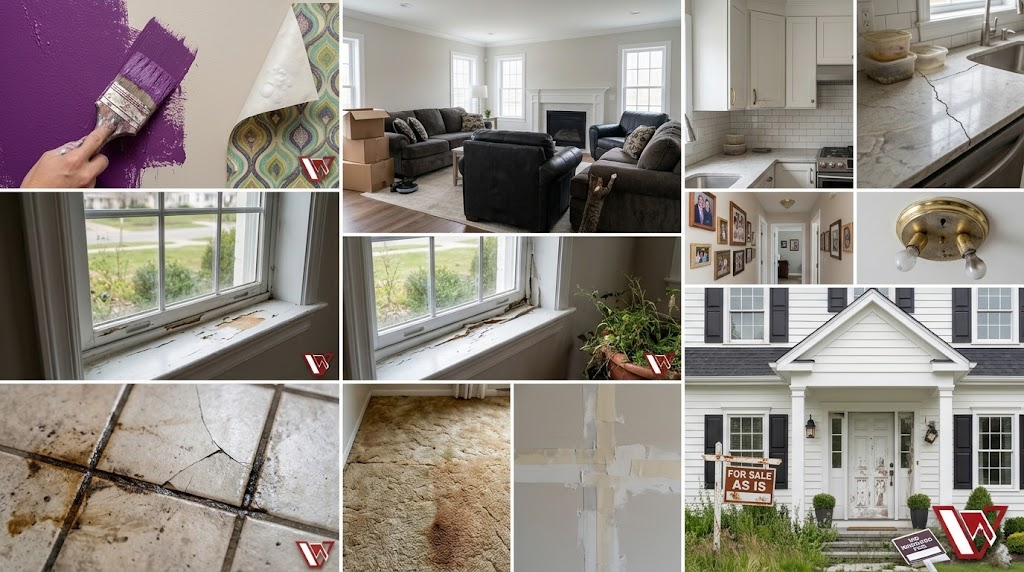
A clean home helps buyers focus on the property rather than the work they think it needs. Everyday tidying is important, but a pre-listing deep clean should reach the areas that may be overlooked during a normal routine. A well-presented home can also help buyers assess whether the property suits their needs and budget. This is especially relevant for first-time buyers building a realistic budget, as they may be paying close attention to the home's condition and anticipating the costs of moving, maintenance, and future repairs.
Pay particular attention to:
- Kitchen counters, cabinet fronts, appliances, sinks, and backsplashes.
- Bathroom fixtures, mirrors, shower doors, tile, grout, and ventilation areas.
- Windows, window sills, floors, baseboards, and doors.
- Carpets, rugs, upholstery, and visible pet hair.
- Light fixtures, ceiling fans, and other dust-collecting surfaces.
- Entryways, laundry areas, and basement spaces.
Odors deserve attention, too. Open windows when practical, clean fabrics, empty trash bins, and address the source of any persistent smell. Avoid masking an odor with strong fragrances, which may make buyers wonder what is being covered up.
If you have pets, arrange a plan to keep pet supplies tidy and pets safely managed during showings. For a busy household, hiring a professional cleaning service may be worthwhile, especially shortly before photography and the first open house. These preparation steps can help your home appear cared for and allow prospective buyers to concentrate on its features rather than immediate cleaning needs.
5. Improve Curb Appeal Before Buyers Arrive
The exterior sets expectations before anyone steps inside. A tidy entrance and maintained yard can make a property feel welcoming and cared for.
Walk toward the house from the street and look at it from a buyer's perspective. Clear away leaves and debris, trim overgrown plants, weed garden beds, and keep paths easy to navigate. Clean the front door, straighten the house numbers, and replace any burnt-out exterior bulbs.
For homes with porches, patios, or decks, remove unnecessary items and arrange outdoor furniture neatly. If the weather allows, a few simple plants can add color without making maintenance complicated.
In Stamford, outdoor preparation may vary by season. In spring and summer, lawn care and planting may be priorities. In fall, leaves and gutters may need attention. During colder months, keep entrances and walkways clear of snow and ice when conditions require it.
You do not need elaborate landscaping. Consistent maintenance and a clear, accessible entrance often matter more than expensive decorative features.
6. Use Home Staging to Highlight the Best Features
Home staging preparation is about helping buyers understand the space, not making the house look perfect or impersonal. The aim is to present rooms in a way that feels inviting, practical, and easy to imagine living in.
Start with what you already own. Arrange furniture to highlight natural focal points, such as a fireplace, large windows, or an open living area. Remove oversized pieces that block walkways, and keep decorative accessories simple. A few well-chosen items can add warmth without making the room feel crowded.
Keep the style neutral but welcoming
You don't have to remove every personal touch. However, reducing family photographs, highly specific artwork, and collections can help buyers focus on the home itself. Fresh towels in the bathroom, clean bedding, and a tidy dining table can make a difference without requiring a large budget.
Pay attention to the way rooms connect. If the living room opens into the kitchen or dining area, keep the transition clear so buyers can understand the layout. In an open-plan home, furniture placement can help define each area without making the space feel divided.
Is professional staging necessary?
Not every property needs a professional stager. A home that is already furnished and well maintained may need only a few adjustments. A vacant property, a home with awkward room layouts, or a space that is difficult to visualize may benefit from professional advice.
Before spending money, consider the likely buyer and the property's price range. Your goal is to make the home easy to understand and appreciate, not to create a design that competes with its architecture.
7. Prepare for Listing Photos and Showings
Online photos are often a buyer's first detailed look at a property. Before photography, complete the cleaning, decluttering, and staging tasks rather than trying to hide problems through styling. Taking time to stage before you hit the market can help present your home's best features, create a welcoming atmosphere, and give prospective buyers a clearer idea of how each space can be used.
Open curtains and blinds, switch on appropriate lights, and remove distracting items from counters and tables. Make beds, close toilet lids, straighten rugs, and tuck away everyday items such as charging cables, cleaning products, and toiletries. Arrange furniture to create clear walking paths and make rooms feel open without removing everything that gives the home character.
For photography, ask about the best time of day to capture rooms with natural light. Exterior photos should reflect the property's actual condition and setting. Avoid leaving cars in prominent positions in the driveway if they obstruct the view of the home. Before the photographer arrives, check that the entrance is tidy, outdoor furniture is arranged neatly, and visible landscaping is reasonably maintained.
Prepare a repeatable showing routine, too. Keep the kitchen and bathroom clean, make sure trash is removed, and put away personal belongings. If you have children or pets, plan ahead so the home can be shown safely and with as little disruption as possible.
Buyers may visit at short notice, so a simple daily reset is often more manageable than repeatedly rushing to clean the entire house. Preparing each room in advance also helps maintain a consistent presentation throughout the listing period, allowing buyers to focus on the property's layout, condition, and potential.
8. Gather Important Documents and Address Questions Early
Preparing a house for sale isn't limited to appearance. Getting relevant information organized can help you answer buyer questions and avoid unnecessary delays once an offer is accepted.
Gather available records for repairs, renovations, roof work, heating and cooling systems, appliances, warranties, and other significant improvements. If you have permits or contractor invoices for completed work, keep them accessible. Do not assume that every improvement or repair is automatically documented in public records.
For a condominium or townhome, gather relevant association information where applicable, including fees and documents that buyers may need to review. If the property has shared amenities or specific maintenance responsibilities, be prepared to explain them accurately.
Think about known issues as well. Connecticut sellers may have disclosure obligations, and the requirements can depend on the property and circumstances. Do not conceal a known defect or guess at the answer to a buyer's question. Consult your real estate professional or a qualified Connecticut attorney when you need guidance on disclosures or legal obligations.
If you are unsure about a property's condition, consider whether an appropriate professional evaluation would help you understand the issue before listing. Being prepared to answer questions clearly can support a smoother transaction.
9. Set a Preparation Budget and Timeline
A home selling preparation checklist is most useful when it reflects your budget and schedule. Start by estimating the cost and time needed for each task, then prioritize work based on its likely value to the presentation and condition of the home.
A simple approach is to divide tasks into three categories:
- Do first: Essential maintenance, safety-related concerns, obvious damage, and major cleaning.
- Do next: Decluttering, paint touch-ups, curb appeal, and staging adjustments.
- Do if worthwhile: Larger cosmetic upgrades or improvements that need more time and money.
For example, a seller preparing a Stamford condo for listing might prioritize decluttering, fresh paint in visibly worn areas, deep cleaning, and bright listing photos. A larger house with a yard may also need landscaping, exterior maintenance, or attention to outdoor living areas.
Build in time for contractor availability, deliveries, and unexpected repairs. If you plan to list in a particular season, work backward from the target date. Leave enough time for cleaning and photography after repair work is complete.
Before approving a costly project, compare its likely benefit with the expense and delay. Not every imperfection needs to be fixed before the property goes on the market.
10. Common Mistakes to Avoid When Preparing a Home for Sale
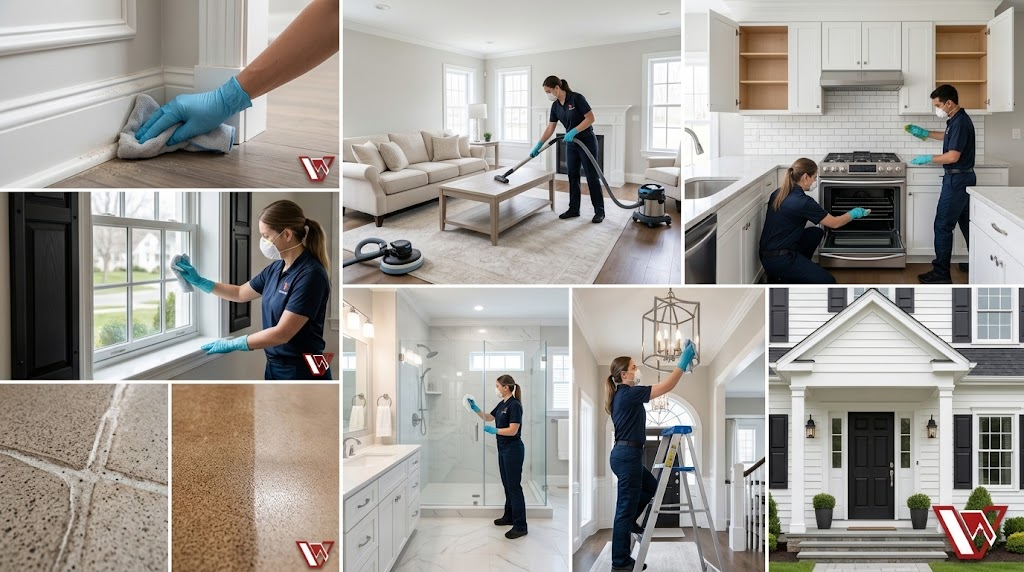
Even motivated sellers can spend time and money on the wrong tasks. Understanding what matters most can help you prepare your property without stretching your budget. It is also worth considering what it really costs to sell your home in Connecticut, including pre-listing repairs, cleaning, staging, and any improvements you decide to make. Planning for these expenses early can help you avoid unnecessary spending and make more informed decisions before listing.
Renovating before setting priorities. Large upgrades can consume the budget without addressing the issues buyers notice first. Assess the property and make a plan before starting major work. Focus on improvements that make the home more presentable and address practical concerns.
Ignoring small maintenance problems. A series of loose handles, dripping faucets, damaged trim, or burnt-out bulbs can make the home feel neglected. Handle easy fixes early to improve the property's overall appearance and reduce distractions during showings.
Over-personalizing the presentation. Bold decor and highly specific room arrangements may appeal to you but distract some buyers. Keep the space welcoming and relatively neutral so prospective buyers can imagine how they might use it.
Covering up rather than resolving problems. Fresh paint or fragrance should not be used to hide an underlying issue, such as moisture damage or a persistent odor. Identify the cause and address it appropriately before listing.
Leaving preparation until the last minute. Rushing often leads to incomplete repairs, rushed cleaning, and avoidable stress. A realistic timeline helps you prepare each area properly and manage expenses more effectively.
Assuming every home needs the same treatment. A downtown condo, a historic house, and a property with a large yard have different features and potential concerns. Preparation should reflect the home's condition, layout, and likely audience. By prioritizing essential work and setting a reasonable budget, you can prepare your home for sale while keeping costs under control.
11. How to Know When Your House Is Ready to List
Before the listing goes live, take one final walk-through. Look at the property as a whole rather than focusing only on individual tasks.
Ask yourself: Is the home clean? Can buyers move through each room comfortably? Are the main features easy to see? Have visible maintenance issues been addressed or properly understood? Does the exterior look cared for? Are relevant property details and records organized?
It may also help to get an outside perspective from a real estate professional who understands Stamford's neighborhoods and local buyer expectations. A pre-listing review can help you identify practical improvements and distinguish between essential work and optional changes.
For a better understanding of the different areas and housing options around Stamford, explore Stamford communities and neighborhoods. Knowing how your property fits into its local setting can help you prepare it in a way that makes sense for prospective buyers.
Conclusion
Knowing how to prepare a house for sale means focusing on the details that help buyers see the property's value: good maintenance, a clean and uncluttered interior, thoughtful staging, appealing curb appeal, and accurate information about the home.
You don't need to make every room look brand-new or take on an expensive renovation to get ready for the market. Start with the most important repairs, build a realistic checklist, and use your time and budget where they are likely to make the greatest difference.
If you're planning to sell in Stamford, CT, a practical next step is to review the property with a local real estate professional and decide which preparations make sense before listing.
Frequently Asked Questions
What should I do first when preparing my house for sale?
Start with a complete walk-through and make a list of repairs, cleaning tasks, clutter, and exterior improvements. Prioritize essential maintenance and visible issues before investing in staging or larger cosmetic projects.
Do I need to renovate my house before selling in Stamford, CT?
Not necessarily. Many homes benefit more from repairs, deep cleaning, decluttering, and simple presentation improvements than from major renovations. The right choice depends on the property's condition, budget, and likely buyers.
How far in advance should I prepare my house for sale?
Begin as early as your schedule allows. Several weeks can provide time to organize belongings, arrange repairs, clean, and prepare for photography. Larger projects may require a longer lead time.
Is home staging worth it when selling a house?
Staging can help buyers understand the layout and purpose of each room. Some properties need only basic furniture rearrangement and decluttering, while vacant or awkwardly arranged homes may benefit from professional staging.
Should I fix every problem before listing my home?
No, but you should understand the property's condition and prioritize repairs thoughtfully. Address important maintenance and safety concerns, consider which cosmetic fixes are worthwhile, and seek professional advice about significant defects and disclosure responsibilities.
Check out this article next

