

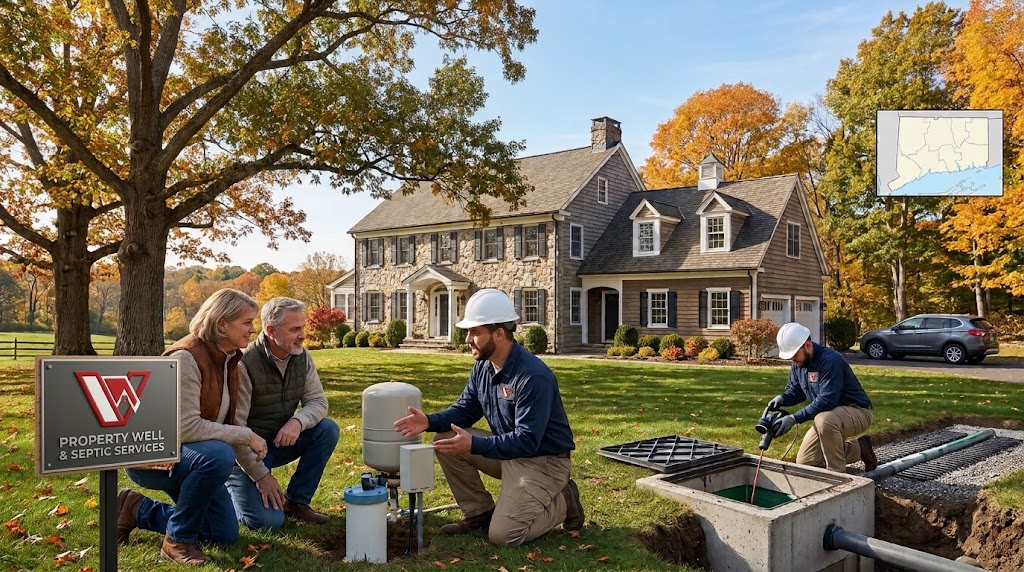
Buying a house with a well and septic system can offer privacy, more outdoor space, and a different kind of homeownership experience. However, these properties also require a little more investigation before you commit. Unlike homes connected to municipal water and sewer lines, a house with a private well and septic system relies on equipment on or near the property to supply water and manage wastewater.
For buyers considering homes in Connecticut, particularly areas where private systems are common, understanding how these systems work is an important part of evaluating a property. Taking the time to see real estate from a new vantage point means looking beyond a home's appearance to assess its water quality, septic condition, maintenance needs, and long-term costs. A home may look well maintained, but these important details are not always obvious during a showing.
The good news is that buying a home with these systems does not have to be complicated. With appropriate testing, a qualified inspection, and a clear understanding of ongoing responsibilities, you can make a more informed decision.
This guide explains what to check before buying, which costs to consider, and how to prepare for owning a home with private well water or septic in Connecticut.
Why Do Some Connecticut Homes Have Well Water and Septic Systems?
Some properties in Connecticut are not connected to public water and municipal sewer services. Instead, they use a private well for their water supply and an on-site septic system to manage wastewater.
This arrangement is found in parts of North Stamford and other areas where property layouts, development history, or available public infrastructure make private systems practical. If you are exploring North Stamford homes and other local communities, check the utility arrangements for each property rather than assuming every home in the same neighborhood has the same setup.
Private systems can work reliably for many years when properly designed, maintained, and used. However, responsibility for monitoring them generally falls to the property owner.
Before making an offer, find out whether the home uses a private well, a septic system, or a combination of private and public services. Also ask whether any part of the property has a shared well, shared septic arrangement, or recorded agreement involving a neighboring property.
What Should You Know About Private Well Water?
A private well draws groundwater from below the surface. A pump and related equipment deliver water to the home, while the well's construction and surrounding conditions influence the water supply.
Unlike public water systems, private wells generally are not subject to the same routine monitoring requirements that apply to regulated public water supplies. Homeowners therefore need to arrange appropriate testing and maintenance.
Why well water testing before buying a house matters
Clear water does not necessarily mean safe water. Some contaminants cannot be detected by sight, smell, or taste, which is why laboratory testing is important.
Before purchasing a property, arrange well water testing before buying a house through a qualified laboratory or a professional who understands Connecticut's private-well testing requirements. Ask your local health department which tests are recommended and whether there are local requirements that apply to the property.
Depending on the location, well history, and local guidance, testing may include:
- Coliform bacteria and E. coli: Indicators that can point to contamination or problems with the well's sanitary protection.
- Nitrate and nitrite: Substances that may enter groundwater from sources such as fertilizer, septic systems, or other contamination.
- Arsenic: A naturally occurring contaminant that can be present in groundwater in parts of the region.
- Other locally relevant contaminants: Additional testing may be appropriate based on the property's location, nearby land uses, well construction, and local health department recommendations.
A standard test does not automatically cover every possible contaminant. Ask for a written list of what the laboratory tested and review the results with the appropriate professional if anything is unclear.
If the results identify a problem, do not rely on a seller's verbal assurance that the water is fine. Discuss follow-up testing, possible treatment, and the estimated cost of correcting the issue before proceeding. Real Talk: When Is the Right Time to Sell? For homeowners considering selling, addressing water-quality concerns and documenting professional test results can help them make informed decisions about the property's readiness for the market.
What Is a Septic System Inspection, and Why Is It Important?
A septic system collects wastewater from a home's toilets, sinks, showers, and other plumbing fixtures. Wastewater flows into a septic tank, where solids settle and certain materials break down. The liquid then moves into a soil absorption area, often called a leaching field, where the soil provides further treatment.
A properly functioning system can serve a home for years. Problems can develop, though, if the system is damaged, poorly maintained, undersized, or unable to handle the amount of wastewater produced by the household.
What should a septic inspection cover?
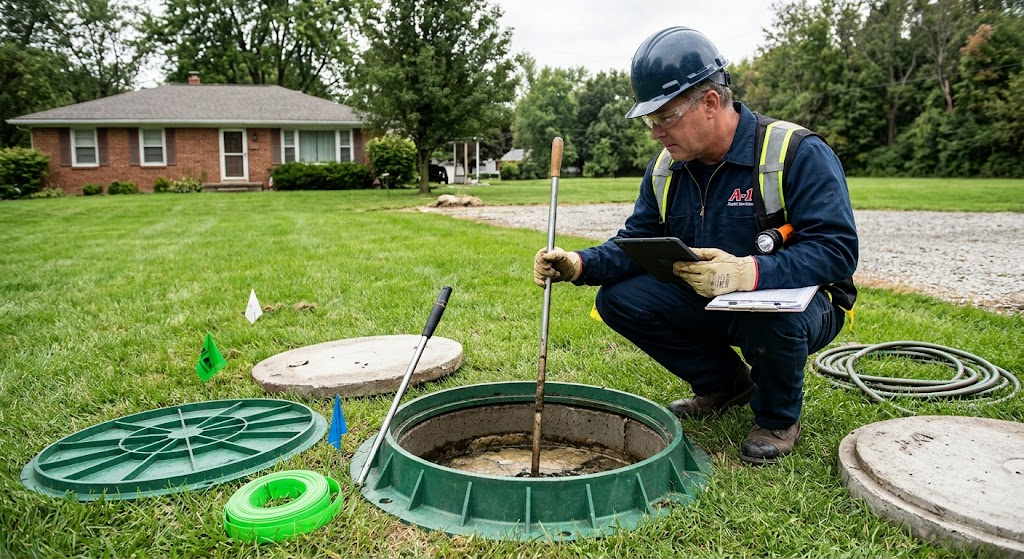
A septic system inspection should be performed by a qualified professional familiar with the type of system installed at the property. Ask what the inspection includes, because not all inspections examine every component.
A thorough assessment may cover:
- The septic tank's condition and accessibility.
- Inlet and outlet pipes, baffles, and distribution components.
- Signs of leakage, blockages, or wastewater backing up.
- The leaching field and surrounding ground conditions.
- Available maintenance records and any known repairs.
- Evidence of surfacing wastewater, persistent wet areas, or unusual odors.
Connecticut's Department of Public Health provides guidance for prospective buyers and recommends gathering system records, reviewing the property's file with the local health department, and using a qualified septic professional. The state does not require one uniform septic inspection procedure for every property transfer, so ask exactly what your inspection will cover.
A general home inspection may identify warning signs, but it should not automatically be treated as a full septic evaluation.
Ask for records, not just verbal assurances
Request the system's location plan or as-built drawing, pumping receipts, repair invoices, and any available inspection reports. These records can help you understand the system's age, layout, and maintenance history.
You should also ask the local health department whether it has permits, design plans, soil test information, or other records for the property.
Look carefully at the yard around the tank and leaching field. Persistent soggy ground, sewage odors, or wastewater appearing at the surface deserve professional investigation. These signs do not replace an inspection, but they should not be ignored.
What Does a Private Well and Septic System Cost to Maintain?
The cost of owning a home with private systems varies according to the property's equipment, system age, water quality, household size, and maintenance history. These factors are particularly important when selling an older or inherited home, as buyers may want to understand the condition of the property's well and septic systems before making an offer.
For a well, potential expenses include periodic water testing, pump or pressure-tank repairs, plumbing work, and treatment equipment if testing identifies a problem. A treatment system may need filters, replacement parts, or ongoing servicing.
For a septic system, costs may include routine pumping, inspections, repairs to pipes or tank components, and eventual work on the leaching field or other major components. The timing and cost of major work depend on the system's design and condition, so avoid relying on a single generic estimate.
Before closing, ask for recent service records and obtain local estimates for any recommended work. If a well pump or septic component is near the end of its service life, include that potential expense in your budget.
It is also sensible to maintain a reserve for unexpected repairs. A system may be functioning during the inspection but still require future maintenance or replacement.
How Does Private Well Maintenance Work After You Buy?
Owning a private well means taking responsibility for water quality and the equipment that supplies the home.
Connecticut's Department of Public Health advises private well owners to test their water regularly, with the recommended testing schedule depending on the contaminant and circumstances. It also recommends testing when purchasing a home and checking with the local health department about concerns specific to the area.
Once you move in, keep copies of all laboratory results and service records. Follow the testing schedule recommended by state guidance and your local health department. Arrange additional testing after relevant repairs, flooding around the well, or a noticeable change in the water.
You should also know where the wellhead is located and keep the surrounding area protected from potential contamination. Follow professional guidance for any treatment equipment, and make sure you understand which components need routine servicing.
For the septic system, ask the inspector or service professional how often the tank should be checked and pumped. The appropriate schedule depends on tank capacity, household size, water use, and the amount of solids that accumulate. Avoid putting grease, wipes, and other unsuitable materials into the system, and be careful about directing roof runoff or other excess water toward the leaching field.
Can a Well or Septic System Affect Renovations or Future Plans?
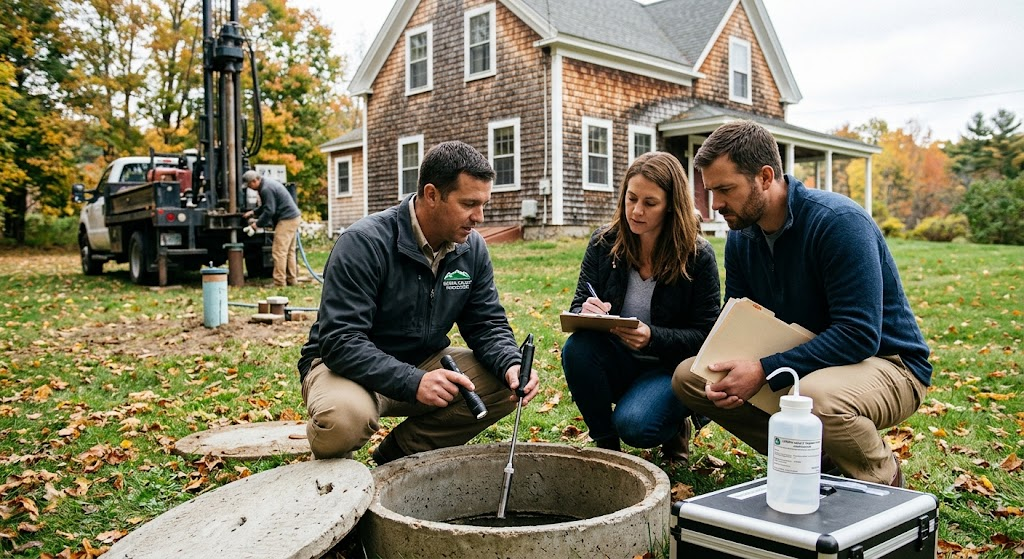
Yes. This is an important consideration if you expect to add a bedroom, finish a basement, build an addition, install a pool, or make significant landscaping changes. Working together to help find your dream home also means looking beyond a property's current condition and considering whether it can accommodate your future plans.
A septic system is designed around a particular property layout and expected wastewater demand. An addition that increases the number of bedrooms or the household's potential wastewater use may require further evaluation. The available space for a replacement leaching field can also limit future options.
A private well and its surrounding area need protection from contamination, while the placement of underground pipes and septic components can affect where you can build or excavate.
Before purchasing a property with plans to expand, ask the local health department and the appropriate professionals to review what may be possible. Do not assume that an existing system can accommodate a larger home simply because it currently works.
In some cases, the property's records or site conditions may reveal limitations that are much easier to consider before closing than after you own the home.
Common Mistakes to Avoid When Buying a Home With Well and Septic
A few avoidable mistakes can leave buyers facing unexpected costs or delays.
Relying on an old water test. A previous report provides useful history, but it does not establish the water's current condition. Arrange testing appropriate for the purchase.
Assuming a standard home inspection covers everything. Ask separately about the scope of the well evaluation, water testing, and septic inspection. Confirm which professionals will perform each service.
Skipping the system's maintenance history. Without pumping records, repair invoices, or system plans, it may be harder to judge the likely condition and future expenses.
Ignoring the property's layout. The location of the well, septic tank, and leaching field may affect landscaping and construction plans. Locate these components before planning improvements.
Underestimating ownership costs. Routine maintenance may be manageable, but a major pump failure or septic repair can be expensive. Budget for maintenance and potential repairs rather than considering only the purchase price.
Assuming a problem makes the property an automatic rejection. A test result or inspection finding should be understood in context. Some issues may be manageable with treatment or repairs, while others could require substantial investment. Get written findings and qualified cost estimates before deciding how to proceed.
What Should You Do Before Making an Offer?
You can begin asking questions during the initial property review, even before you reach the inspection stage.
Use this checklist to organize your due diligence:
- Confirm whether the home uses a private well, septic system, or both.
- Ask for available well water test results and septic maintenance records.
- Find out whether the property has a shared system or related agreements.
- Check with the local health department for available records.
- Arrange appropriate water testing through a qualified laboratory.
- Hire a qualified professional to inspect the septic system.
- Request estimates for any recommended repairs or treatment.
- Review any intended renovation plans for possible system limitations.
- Discuss suitable inspection and testing contingencies with your real estate agent and attorney.
The goal is to understand the property's condition before your purchase becomes final. Your inspection period, contract terms, and deadlines matter, so arrange evaluations promptly and ask your attorney how to handle any concerning findings.
Final Thoughts
Buying a home with a well and septic in Connecticut can be a practical choice, particularly if you are looking for a property with more privacy or outdoor space. The key is to understand that these systems are part of the home's essential infrastructure, not minor details to check after moving in.
Arrange appropriate water testing, obtain a professional septic inspection, review the property's records, and understand the maintenance responsibilities. These steps can help you identify potential issues, estimate future costs, and make a decision that fits your budget and plans.
If you are exploring properties in Stamford and nearby communities, you can browse Connecticut communities and local housing options as you narrow down your search.
Frequently Asked Questions
Is well water safe to drink in Connecticut?
Private well water can be suitable for drinking, but its safety should be confirmed through appropriate laboratory testing. Some contaminants cannot be detected by taste, smell, or appearance. Ask your local health department which tests are recommended for the property's location.
Is a septic inspection required when buying a house in Connecticut?
A septic inspection is not universally required by state law for every property transfer. However, Connecticut's Department of Public Health recommends that buyers investigate the system's condition. Ask your real estate agent, attorney, and inspector about the appropriate evaluation and any applicable local requirements.
How often should a private well be tested?
Testing frequency depends on the contaminant and the circumstances. Connecticut recommends routine testing for certain indicators and additional testing when conditions warrant it. Follow current state guidance and ask the local health department for recommendations specific to the property.
How often does a septic tank need pumping?
The schedule depends on tank size, household size, water usage, and how much solid material accumulates. Ask a qualified septic professional to review the system and recommend a suitable schedule rather than relying on a fixed interval for every home.
Can I build an addition on a property with a septic system?
Possibly, but the existing system, available land, local requirements, and proposed addition all matter. Have the system layout and relevant records reviewed before committing to major renovations. A qualified professional and the local health department can help clarify what may be feasible.
Check out this article next

