

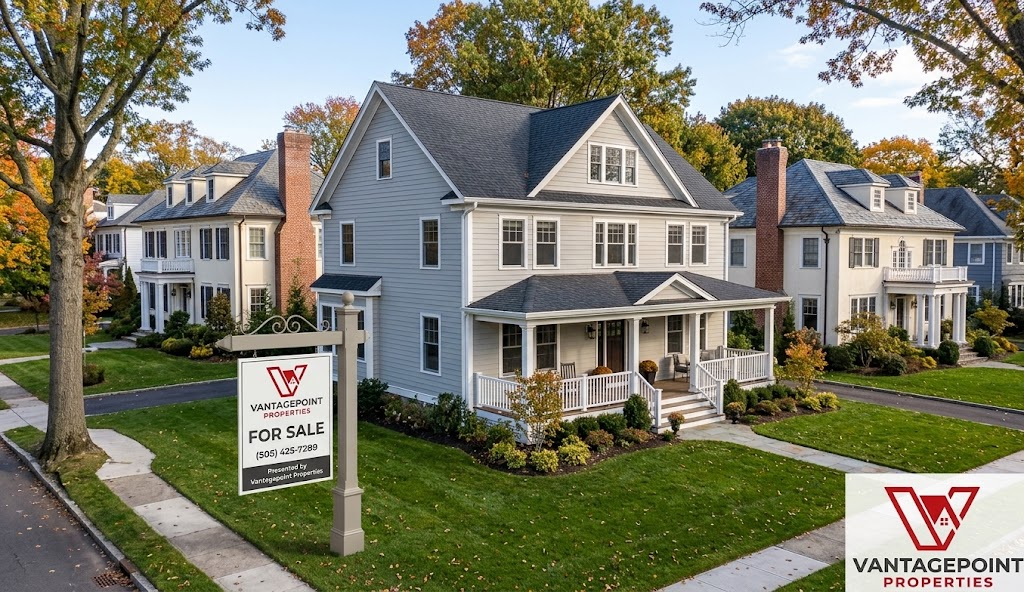
Pricing a home for sale can be one of the most difficult decisions a homeowner makes. Set the price too high, and buyers may overlook the property. Set it too low, and you may leave money on the table. Understanding the real costs to sell your home in Connecticut and choosing the right asking price can help you make a more informed decision. The challenge is finding a price that reflects your home's current market value while attracting serious buyers.
If you're deciding how to price your home for sale in Stamford, CT, start with evidence rather than a number based on what you hope to receive. Recent sales, competing listings, property condition, and neighborhood differences all help establish a realistic asking price. It's also important to account for selling expenses when estimating how much money you'll receive after closing.
Stamford has a varied housing market, with downtown condominiums, townhomes, older homes, and larger properties in suburban neighborhoods. Two homes in the same city can appeal to different buyers and command very different prices. A thoughtful home pricing strategy considers these differences, along with expected selling costs, instead of relying on a citywide average.
1. Understand What Your Home Is Worth in Today's Market
Your home's value is not necessarily the amount you paid for it, the balance remaining on your mortgage, or the amount you spent on renovations. Those figures matter to your personal finances, but buyers generally compare your property with other homes available to them.
Your property's market value is an estimate of what a willing buyer may reasonably pay under current market conditions. The final sale price depends on factors such as buyer demand, competing properties, the home's condition, and the terms of the transaction.
Separate your asking price from market value.
The asking price is the amount you advertise when listing your property. Market value is an estimate informed by comparable transactions and current conditions. The two may be close, but they are not automatically the same.
For example, you might believe your home should sell for $900,000 because you invested in a kitchen renovation and new flooring. However, if similar homes without those upgrades have recently sold for less, you'll need evidence to determine whether the improvements justify a higher price.
Pricing should reflect what buyers are likely to recognize as valuable, not simply what the property has cost you over time.
2. Research Comparable Home Sales in Stamford
Comparable home sales, often called comps, are among the most useful tools for estimating a property's likely selling price. These are recently sold properties that share important characteristics with your home.
A real estate professional can prepare a comparative market analysis (CMA) using relevant sales, current listings, and other market information to develop a suggested price range.
When reviewing comparable properties, consider the following:
- Location: Look for homes in the same neighborhood or a genuinely similar area.
- Property type: Compare single-family homes with similar homes, and condominiums with comparable units.
- Size: Consider finished living area, bedroom and bathroom count, and the overall layout.
- Condition: A renovated property may attract a different price than one requiring substantial work.
- Features: Garages, outdoor spaces, parking, finished basements, and other features may influence buyer interest.
- Sale date: Recent transactions generally provide a more useful picture of current conditions than older sales.
Why location matters in Stamford
Stamford is not one uniform housing market. A downtown condominium may attract buyers who value access to transportation, restaurants, and nearby services. A single-family home in North Stamford may appeal to buyers seeking more indoor space, privacy, or a larger yard.
Even within the same neighborhood, differences in street location, property condition, layout, and parking can affect price. A home near a busy road, for instance, may attract different buyer interest from a similar home on a quieter street.
For this reason, avoid choosing comparable sales based only on proximity. The best comparisons are properties buyers would realistically consider as alternatives to yours.
3. Compare Sold Homes, Active Listings, and Pending Sales
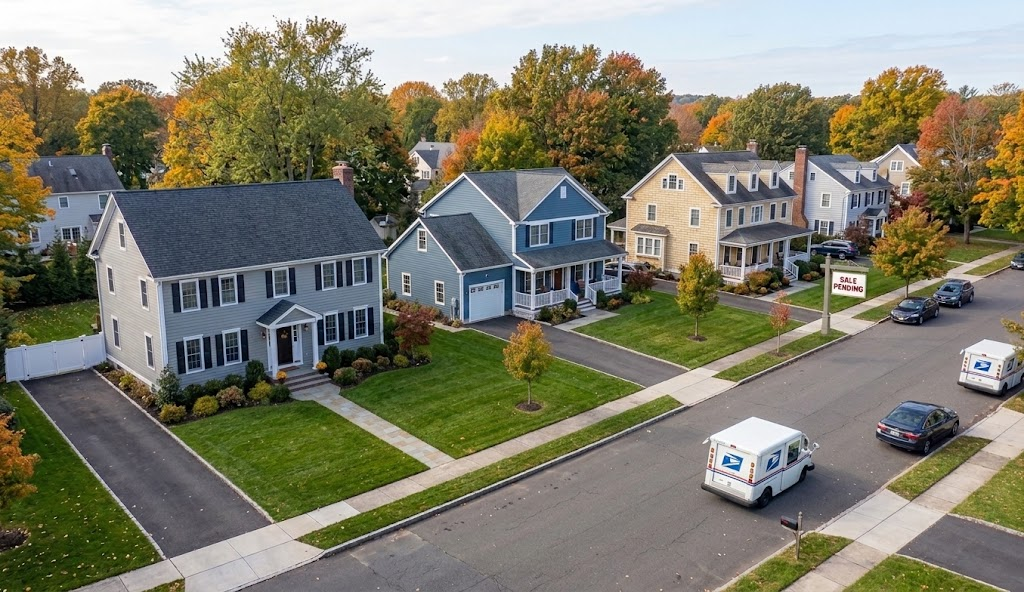
Sold properties show what buyers have actually paid. Active listings show the alternatives buyers can consider today. Pending listings can offer useful clues about recent demand, although their final sale prices may not be publicly available until transactions close.
Each category answers a different question.
Recently sold homes: These provide evidence of completed transactions. Review the final sale price, property characteristics, and how long the home took to sell.
Active listings: These reveal your competition. If several similar homes offer updated kitchens, finished basements, or more outdoor space, your property's price and presentation need to make sense alongside them.
Pending listings: These may indicate which properties are attracting buyers, but an accepted offer does not guarantee a completed sale at the original asking price.
Also examine listings that have been on the market for an extended period or have reduced their prices. They may indicate a mismatch between the asking price, the property's presentation, and buyer expectations, although other factors can also explain a slow sale.
Don't assume that the highest asking price in your neighborhood establishes your home's value. An asking price is a seller's request, not proof of what a buyer will pay.
4. Evaluate Your Home's Condition and Features
Once you have identified comparable properties, determine how your home differs from them. These differences help explain why a price adjustment may be reasonable.
A recently renovated kitchen, updated bathrooms, well-maintained mechanical systems, and an attractive outdoor area may strengthen your property's appeal. On the other hand, worn flooring, visible maintenance problems, an outdated layout, or repairs that buyers expect to handle may affect the price they are willing to offer.
Consider improvements realistically
Not every improvement adds the same amount of value. A renovation that makes the home more attractive does not necessarily increase its market value by the full amount you spent.
For example, replacing an aging roof may address a concern that could otherwise discourage buyers or complicate negotiations. A luxury bathroom upgrade, meanwhile, may appeal to some buyers but be less important to others.
Consider the property's overall condition, the expectations of likely buyers, and the features of competing homes before assigning a premium to any upgrade.
Be honest about limitations.
If your home has a smaller yard, limited parking, an older heating system, or another feature that differs from comparable properties, account for it in your analysis. This does not automatically mean you need to discount the property substantially. It means the asking price should reflect the complete picture rather than only its strongest features.
5. Understand Current Market Conditions
A pricing strategy that worked last year may not work as well today. Interest rates, available inventory, buyer confidence, seasonal activity, and the number of competing homes can all influence demand. These factors also affect people planning to buy a home in Connecticut, making it important for sellers to understand what local buyers are looking for.
For Stamford sellers, it is useful to review recent local data rather than relying on broad claims about the national housing market. Consider current listing prices, recent sale prices, available inventory, and days on market to understand local conditions and how buyers may evaluate your property.
These figures may vary depending on the data sources, property categories, and reporting periods used. Treat broad market statistics as context, not as a direct valuation of your individual home.
Look beyond citywide averages.
A citywide median cannot tell you precisely what your property should sell for. A condominium near downtown and a larger single-family home in a different neighborhood may follow very different pricing patterns.
Ask whether similar homes are selling quickly, whether sellers are reducing prices, how many competing properties are available, and whether recent transactions are closing near their original asking prices.
These details help you understand the market your home will enter and whether your initial price should be more competitive.
6. Choose a Home Pricing Strategy That Fits Your Goals
The right asking price depends partly on your priorities. You may want to sell within a specific timeframe, coordinate the sale with a purchase, or test the market while remaining flexible. Your strategy should reflect those goals without ignoring buyer behavior.
Price in line with comparable properties
A market-supported price can help your home attract buyers who are already searching within that range. It also gives you a clearer basis for evaluating offers.
This approach is often useful when comparable sales provide a consistent picture of value, and several similar homes are competing for attention.
Price competitively to attract interest
A competitive price may help your home stand out when buyers have several alternatives. It can be especially relevant when similar properties are plentiful or when you have a firm timeline.
However, pricing below market value does not guarantee multiple offers or a higher final sale price. Buyer demand, marketing, property condition, and the terms of each offer still matter.
Be cautious about pricing above the market.
Some sellers list high because they expect buyers to negotiate. The risk is that the price may discourage qualified buyers from viewing the home in the first place.
If the property receives little interest, you may eventually need a price reduction. By then, some buyers may have moved on to other listings. A high initial price can be appropriate when supported by the property's features and market evidence, but it should not be based solely on the hope that someone will pay more.
7. Consider How Buyers Search for Homes
Buyers often use online search filters based on price ranges. That means a modest difference in asking price can affect which searches include your property.
For example, a buyer searching for homes up to $800,000 may never see a property listed at $815,000, even if the home could suit their needs. Choosing a price that reflects market evidence and your likely buyer pool can help your listing reach relevant shoppers, whether they are looking for spacious family homes or sleek lofts in the middle of downtown.
Avoid treating psychological pricing, such as ending a price in 9, as a substitute for valuation. The more important question is whether the asking price fits the property and the market segment in which buyers will compare it.
Your home's photography, description, condition, and showing experience also influence how buyers perceive the price. A well-supported asking price works best when the presentation helps buyers understand what they are getting.
8. Calculate Your Expected Net Proceeds
The highest offer is not always the offer that leaves you in the strongest financial position. Before setting your asking price, estimate how much you may receive after selling expenses.
Your calculation may include:
- The remaining mortgage balance and any other property-related liens.
- Real estate brokerage compensation, if applicable and agreed upon.
- Attorney fees and other closing expenses.
- Agreed repairs, buyer credits, or concessions.
- Moving costs and any preparation expenses.
- Applicable taxes or other obligations, depending on your circumstances.
For example, a $900,000 offer with substantial concessions may produce a different net result from a slightly lower offer with fewer costs. Financing, appraisal, inspection, and closing conditions can also affect the practical strength of an offer.
Ask your real estate professional or closing attorney to help you understand the likely transaction costs. For tax questions, consult a qualified tax professional.
Having a realistic net-proceeds estimate helps you make pricing decisions based on your financial needs without confusing your desired net amount with the property's market value.
9. Avoid Common Home Pricing Mistakes
Several common mistakes can make it harder to establish a realistic asking price.
Basing the price on emotion. Your home may hold years of memories, but buyers evaluate it against other available properties. Use comparable sales to keep the decision grounded.
Relying on an online estimate alone. Automated valuation tools can provide a starting point, but they may not fully account for renovations, property condition, layout, or differences between nearby streets.
Using outdated sales. A sale from a different market period may not reflect today's conditions. Give greater attention to recent, relevant transactions.
Ignoring competing listings. Buyers can compare your home with properties currently available. Understand how your price, condition, and features measure up.
Refusing to review new evidence. If buyer feedback consistently identifies the same concern, or comparable homes sell at different prices than expected, reassess your assumptions.
Making price changes without a plan. If a reduction becomes necessary, base it on market feedback and updated data. A series of small, reactive changes may create uncertainty without addressing the underlying issue.
10. Review Your Price After the Home Goes on the Market

Pricing is an important decision at launch, but it should not be treated as permanent regardless of what happens next. Early listing activity can help you evaluate whether the price is attracting the intended audience.
Monitor showing requests, buyer comments, online engagement, competing listings, and new comparable sales. Consider how many qualified buyers are visiting and whether the feedback points to price, presentation, condition, or another concern.
Limited activity does not always mean the price is wrong. Marketing reach, photography, access for showings, and property conditions can also influence results. Look at the evidence as a whole before making a change.
Agree on a review schedule with your real estate professional. If the property is not attracting the expected level of interest, discuss what has changed in the market and whether a price adjustment would improve its position.
A clear review process helps you respond thoughtfully instead of making decisions based on a single quiet weekend or one buyer's opinion.
Conclusion
To price your home for sale in Stamford, CT, combine recent comparable home sales with a careful assessment of your property's condition, current competition, market activity, and financial goals. No single online estimate or neighborhood average can determine the right asking price for every home.
A well-supported home pricing strategy starts with evidence, recognizes what makes your property different, and remains open to new information as the market responds.
If you're preparing to sell, exploring Stamford's neighborhoods and communities can provide helpful local context. You can also consult a real estate professional for a property-specific market analysis before choosing your asking price.
Frequently Asked Questions
How do I determine the right asking price for my home in Stamford, CT?
Start with recent sales of similar properties in your neighborhood. Compare location, size, condition, features, and sale dates, then review competing listings and current market conditions. A comparative market analysis can help establish a reasonable price range.
Should I price my house higher to leave room for negotiation?
Not automatically. An asking price that exceeds what comparable homes support may discourage buyers from scheduling a showing. Set a price based on market evidence and consider your negotiation goals without relying on an unsupported premium.
Are online home value estimates accurate?
Online estimates can be useful for initial research, but they are not definitive valuations. They may miss important details such as renovations, property condition, layout, or street-level differences. Compare them with recent sales and a property-specific assessment.
How often should I review my home's asking price?
Review listing activity regularly, especially during the early weeks on the market. Consider showing requests, buyer feedback, competing listings, and new sales before deciding whether a price change is warranted.
Does renovating my home always increase its sale price?
No. Some improvements can make a property more appealing or address buyer concerns, but the increase in value may be less than the renovation cost. Evaluate improvements against comparable homes and the expectations of likely buyers.
Check out this article next

